
A shared context
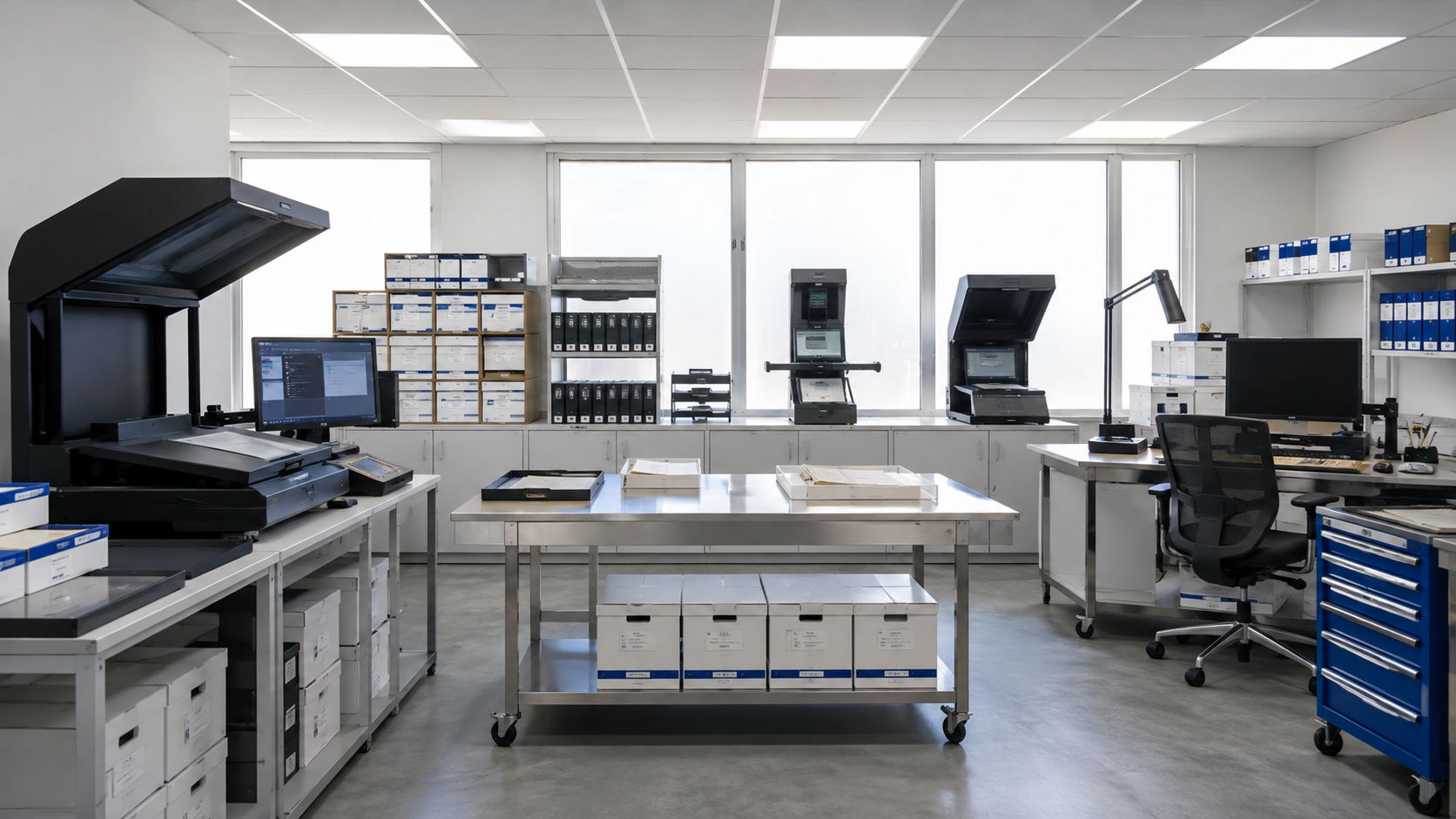
Plant, enterprise and process data brought into one model, so every twin starts from the same facts.
A digital twin is only worth building if it changes a decision.
Scenario first. Then the plant.
Every one of these is usually decided by whoever argues loudest in the morning meeting.
If line 2 goes down for a shift, what happens to the week?
Which maintenance window costs us least?
If demand rises, where does it break first?
A supplier is two days late. Now what?
| The question | What the twin shows |
|---|---|
| If line 2 goes down for a shift, what happens to the week? | Throughput, backlog and the cheapest recovery plan. |
| Which maintenance window costs us least? | Lost output against failure risk, window by window. |
| If demand rises, where does it break first? | The bottleneck, and what relieving it is worth. |
| A supplier is two days late. Now what? | Which orders slip, and which re-sequence saves them. |
Plant, enterprise and process data brought into one model, so every twin starts from the same facts.
AI and machine-learning models of how an asset or process behaves, built for planning, risk and day-to-day running.
Scenarios for cost, throughput and disruption, run before anyone changes anything real.
The decision the simulation supports is routed to the people, workflows and control systems that carry it out, with approvals in place.
Every outcome flows back into the model, so the twin is a little more right each week.

A whole-plant simulation runs slower than the plant it models and drifts with every batch.
Fewer bottlenecks, found before they cost a shift.
Disruptions and plan changes answered with a tested option, not a guess.
Scenario-led choices on cost, energy and yield.
Planning, operations and engineering deciding from the same model.
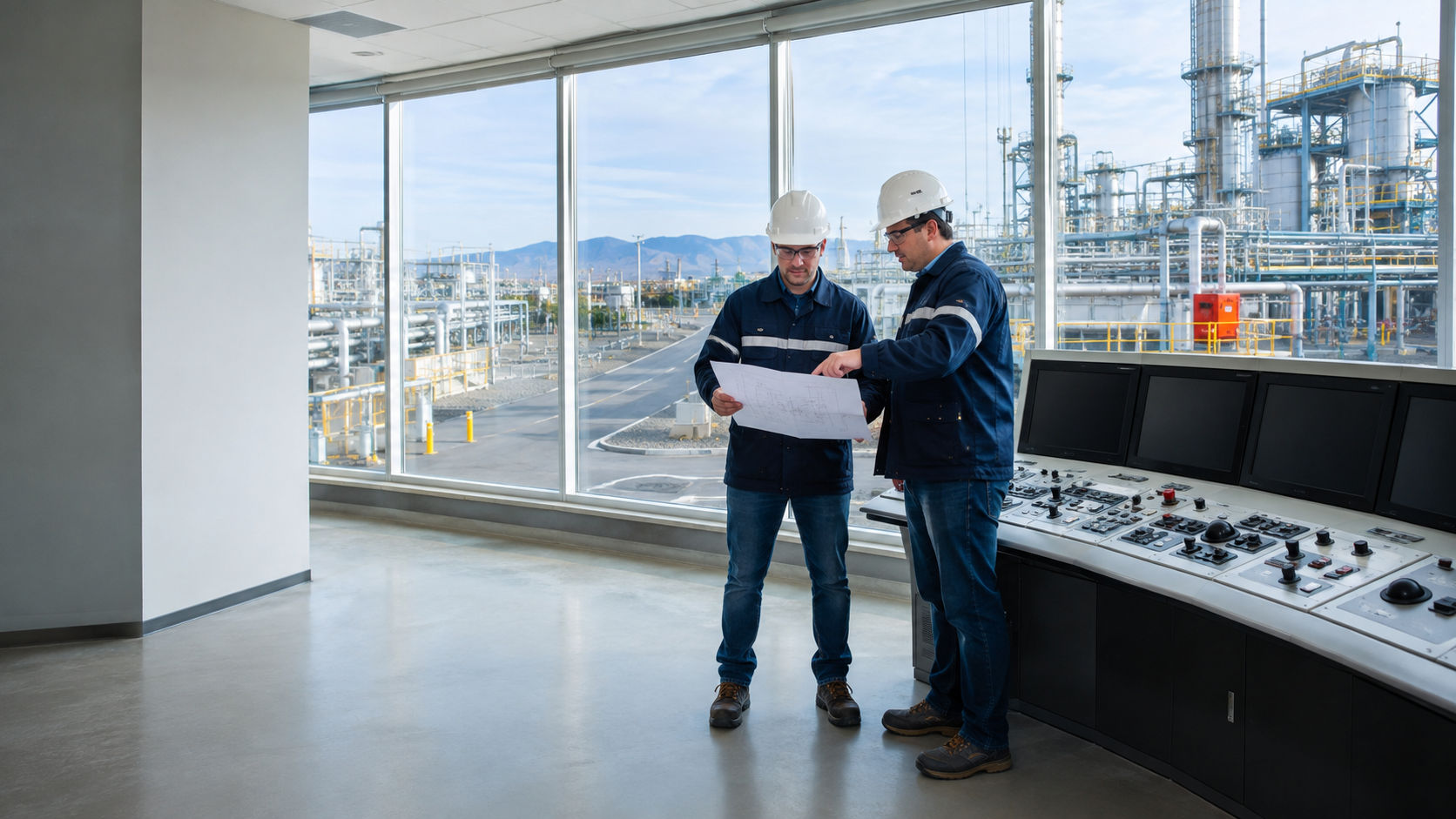
Planners run next week against the twin: demand changes, maintenance windows, supplier delays.
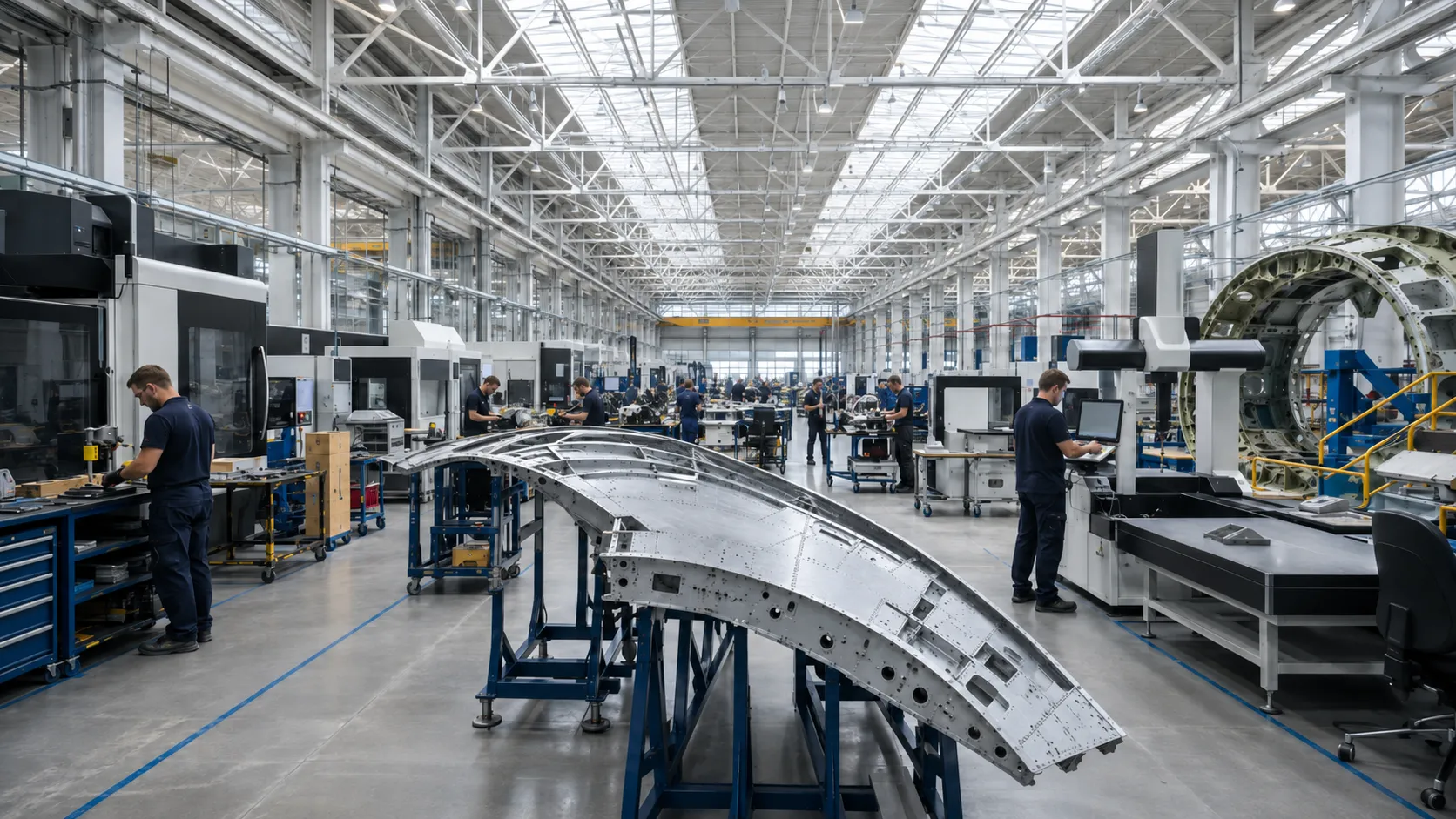
When a machine goes down, operations see the tested recovery options instead of improvising one, and the outcome flows back to make the twin more accurate.
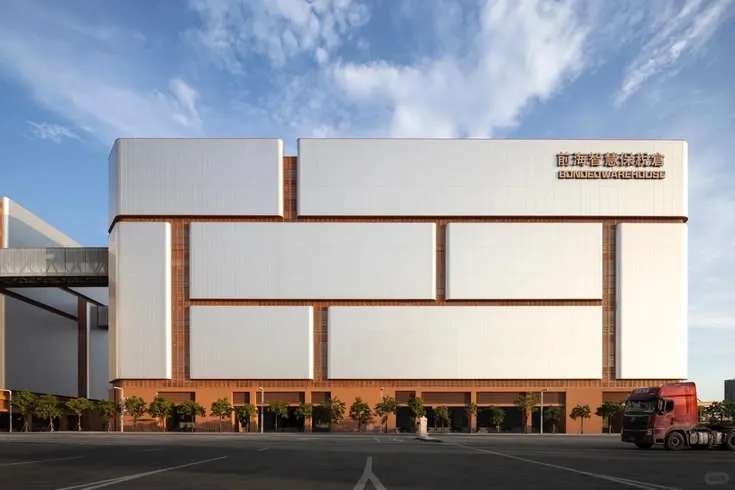
A late supplier or a blocked route is run through the twin, so the orders that will slip are known in the morning, along with the re-sequence that saves them.