
The same tonnes, cheaper
Fuel, power and freight for each unit of output, at the output you already sell. kcal/kg, kcal/kWh, rupees per tonne-kilometre.
Your volume is set by the market.
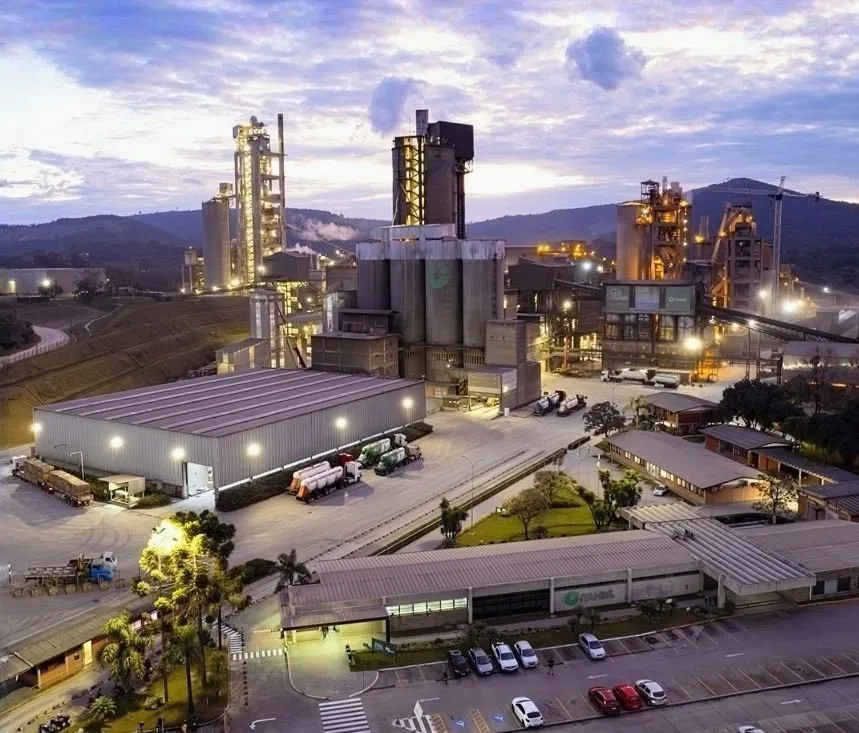
Variance drives the other two.
Fuel, power and freight for each unit of output, at the output you already sell. kcal/kg, kcal/kWh, rupees per tonne-kilometre.
How far the plant moves from shift to shift.
Every swing is paid for twice: once as waste, once as the margin operators hold against the next one.
Money sitting in silos, spares stores, idle trucks and bills that were never reconciled.
In a cement kiln, free lime in the clinker is known an hour or more late.

The plant engineer knows which transmitters drift, why mill 3 always runs hot, and what the night shift does that nobody wrote down. They cannot hold four hundred tags and three years of history in mind.
The data engineer finds real patterns across those tags, but cannot tell a failing sensor from a real excursion. So every site team pairs both with your shift in-charge, who owns the decision.
The first question every plant asks is whether it can trip the unit.
Configured in your DCS logic.
A mill bias stays within 5 to 10% of its own demand; an oxygen trim stays above an absolute floor.
No step changes.
Setpoints move slowly, and bad or frozen inputs freeze the bias.
Our server updates a counter every second.
No update for 3 seconds and every bias ramps back to zero, your loops take over, and the operator is alarmed.
Burner management and flame-scanner trips are never touched.
The layer drops out on any runback or trip, and comes back only when an operator says so.
The plant dials out
Two historians
One write path, on site
A diode where it matters
| Data path | How it works |
|---|---|
| The plant dials out | The server inside the plant opens the connection outward. Zero inbound firewall ports into the control network. |
| Two historians | Your live historian stays in the control network. A mirror sits in the DMZ, and every analytic query hits the mirror. |
| One write path, on site | Biases go from an on-site server to a whitelist of control-system registers. Nothing outside the plant can write. |
| A diode where it matters | Reads from turbine governors or safety systems leave through a one-way optical link. Nothing can travel back. |
People go to the plant.
Mill bias. Worn mills get an equal fuel share and the fireball goes lopsided. Setting each mill by its condition is worth 0.1 to 0.5 point of boiler efficiency.
Soot blowing. Fixed eight-hour cycles blow clean tubes and leave dirty ones waiting. Blowing each bank only when its cleanliness factor falls means 15 to 30% fewer blows, worth 2 to 4 kcal/kWh.
On record, control moves 8 to 25 kcal/kWh. Anyone promising 50 has not run a unit. We plan on 10.
Unit size
Plant load factor
Coal, as received
Coal saved per year
Worth per year
| What a 10 kcal/kWh gain is worth | |
|---|---|
| Unit size | 500 MW |
| Plant load factor | 70% |
| Coal, as received | 3,800 kcal/kg |
| Coal saved per year | 8,070 tonnes |
| Worth per year | Rs 1.8 crore at a pithead station to Rs 4.9 crore far from the mine |
Free lime, every minute. Read from torque, pyrometer, shell scanner and NOx, and corrected by every lab result at the moment its sample was taken.
The refractory, read from outside. The shell scanner you own, read for lining thickness and bound by heat physics. Plan stops on the brick that is left, not the calendar.
Line
Clinker per year
Petcoke saved
Worth per year
| What a 10 kcal/kg gain is worth | |
|---|---|
| Line | 10,000 tonnes per day, 330 days |
| Clinker per year | 3.3 million tonnes |
| Petcoke saved | 4,125 tonnes a year |
| Worth per year | Rs 5.3 to 5.8 crore |
Freight now costs as much as power and fuel in a tonne of cement, and the average load travels hundreds of kilometres.
A 24 to 72 hour plan, re-decided in seconds when a loader breaks.
2 to 5% off freight per tonne-kilometre and 10 to 25% less gate dwell.
Toll tags against axle counts, weighbridge against invoice, coal received against coal billed.
Every disagreement gets a second look, and a person reviews every evidence file before a dispute.
Every change passes format checks, business rules and a dry run, and is signed by an approver before it posts, under their name.
Heat rate, mills, soot blowing.
Free lime, refractory, dispatch.
Furnaces, staves, cranes.
Drilling time, units, utilities.
Lines, quality, suppliers.
Machines, tolerances, scrap.
Assembly, maintenance, parts.
Inventory, dispatch, ports.
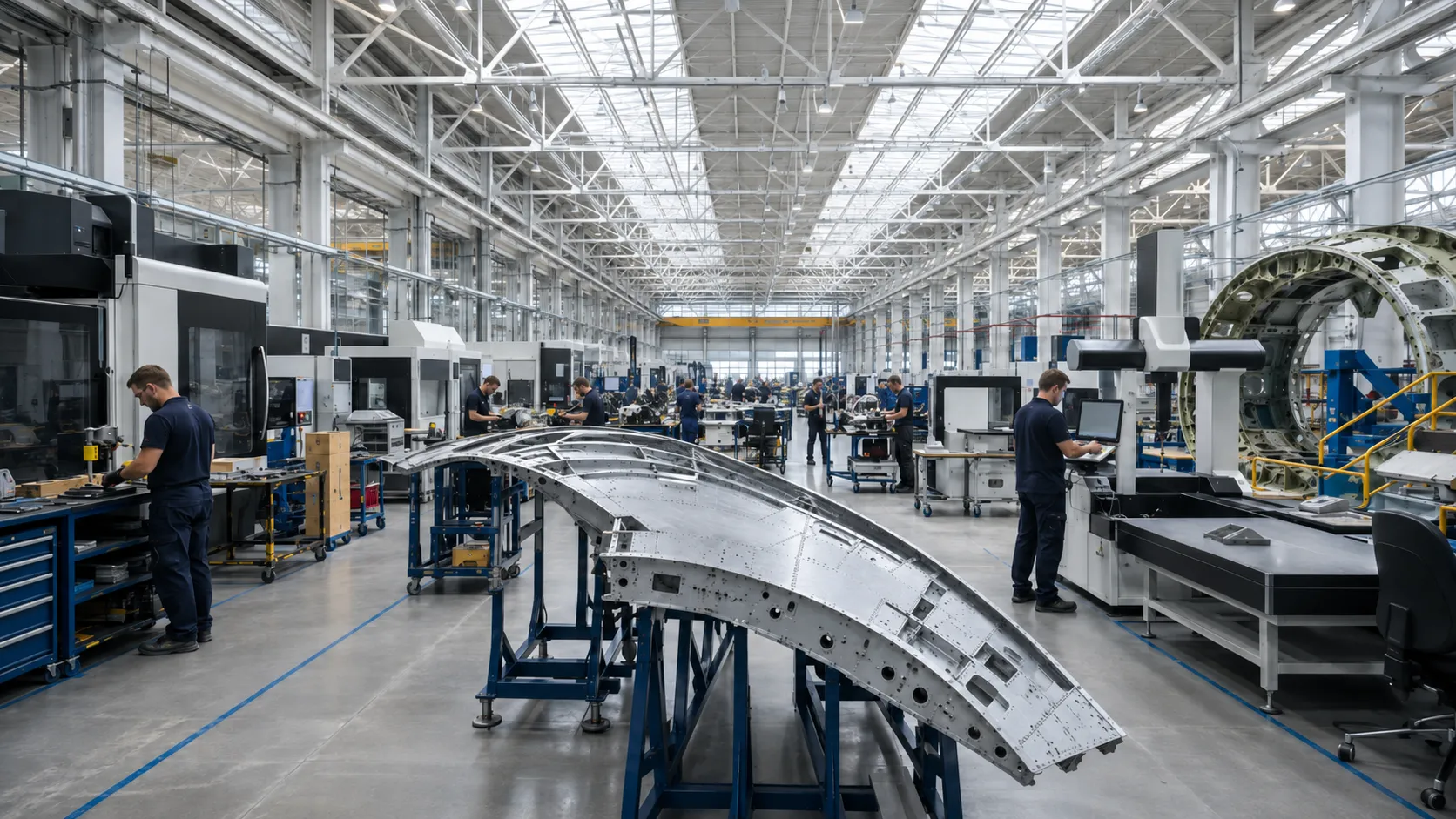
Defects are caught at the station that made them, changeovers are sequenced by what they cost, and yesterday's scrap is traced to its cause before today's shift starts.

Assembly, maintenance and parts on one model, so a missing part is seen before the aircraft is waiting for it, and a drifting tolerance is caught before it becomes rework.
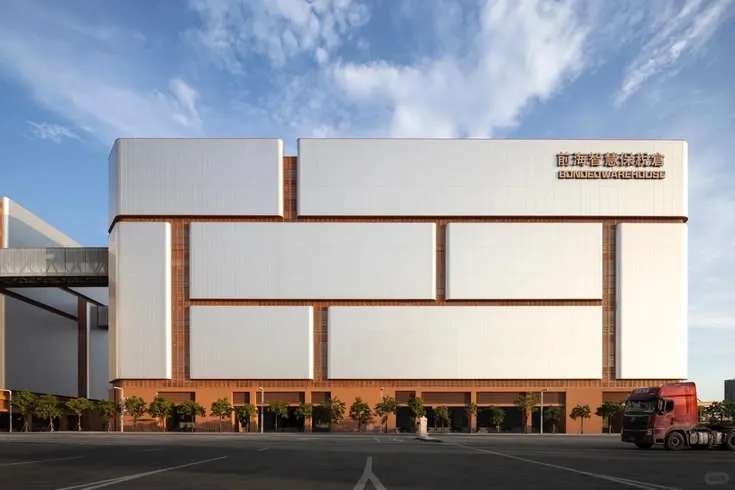
Dispatch planned 24 to 72 hours ahead across trucks, rakes and barges, then re-decided in seconds when a loader breaks.

A whole-plant simulation drifts with every batch, and plant-wide camera pilots get muted.
Including us.